Why Mobile Auto Repair Is Useful During Unexpected Car Breakdowns
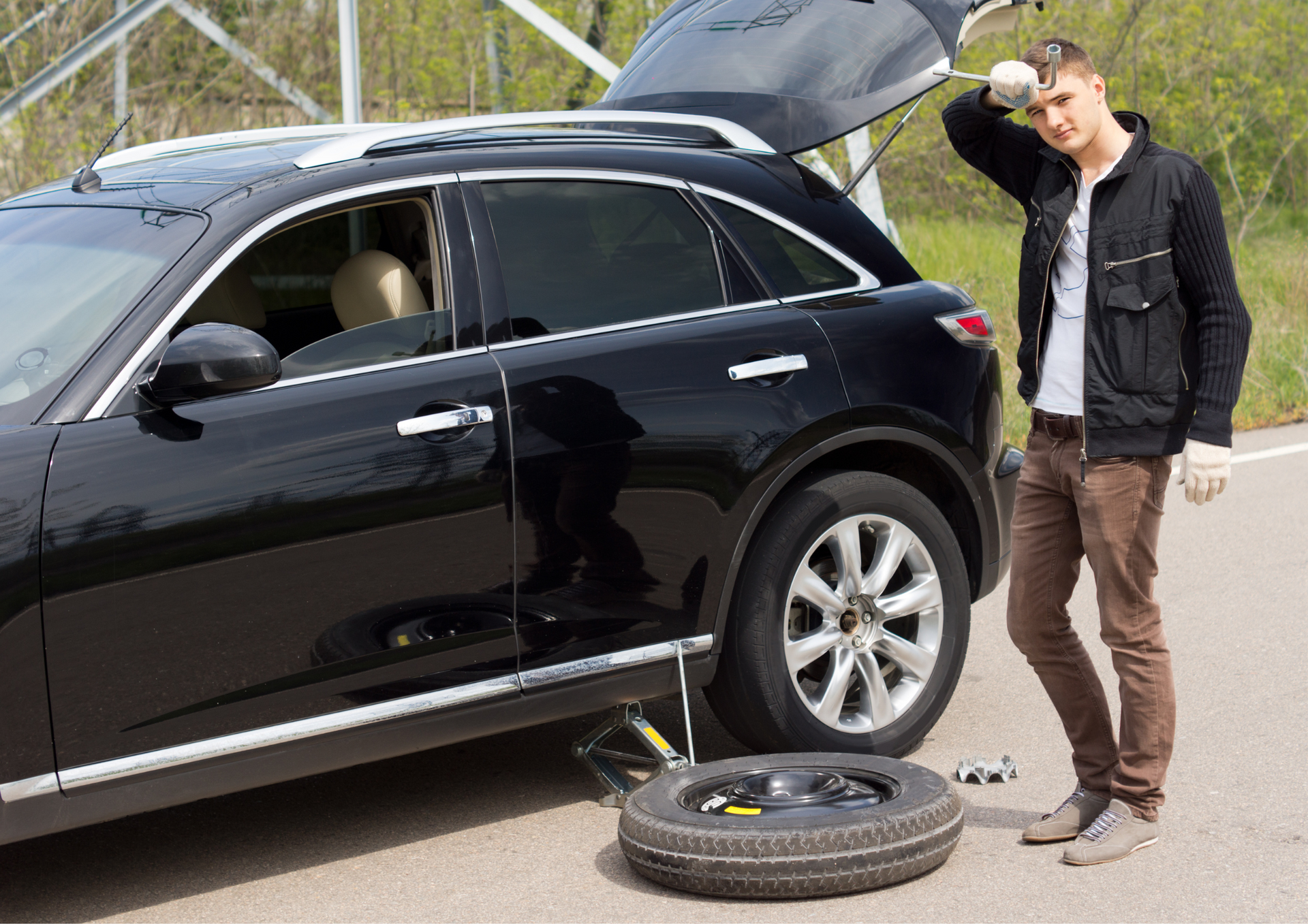
Unexpected car breakdowns can happen at inconvenient moments, whether a driver is preparing for work, collecting family members, travelling to an appointment or completing an important business journey. A vehicle that suddenly refuses to start or develops a mechanical fault can interrupt carefully planned routines and create uncertainty about what to do next.
For motorists in Southampton, breakdowns can occur in residential streets, workplace car parks, shopping areas or along busy routes connecting the city with surrounding communities. While some problems require specialist workshop equipment, many common faults can be assessed and, where suitable, repaired at the vehicle's location.
Mobile auto repair offers a practical alternative to arranging immediate vehicle recovery for every mechanical problem. By bringing diagnostic equipment, tools and technical knowledge directly to the vehicle, on-site assistance can help identify faults and determine whether repairs can be completed safely without visiting a traditional garage.
Understanding Why Unexpected Car Breakdowns Occur
Vehicle breakdowns rarely happen at convenient times. Although some faults develop suddenly, others result from gradual wear, insufficient maintenance or mechanical problems that have not yet produced obvious symptoms.
Modern vehicles contain numerous interconnected mechanical and electrical systems. A problem affecting one component can sometimes influence several others, making professional diagnosis important before attempting repairs.
Common causes of unexpected breakdowns include battery deterioration, alternator problems, starter motor faults, cooling system leaks, ignition difficulties and fuel delivery issues. Worn belts, damaged hoses and electrical connection problems can also prevent a vehicle from operating normally.
Battery-related faults are particularly common when vehicles are used for frequent short journeys. Repeated starting without sufficient driving time may prevent the battery from maintaining an adequate charge, especially when electrical equipment is used extensively.
Cooling system problems present another concern. A leaking hose, defective thermostat or failing cooling fan can cause engine temperatures to rise. Continuing to drive an overheating vehicle may result in substantial engine damage.
Electrical faults can be equally disruptive. Modern cars rely on sensors, wiring and control modules to manage essential functions. A damaged connection or malfunctioning component may trigger dashboard warnings, starting problems or reduced engine performance.
For drivers searching for a mobile mechanic near me, having a professional attend the vehicle can provide a convenient starting point for identifying the underlying cause. Rather than making assumptions about which component has failed, the technician can assess symptoms, inspect relevant systems and recommend suitable next steps.
In Southampton, where motorists depend on their vehicles for commuting, family responsibilities and commercial activities, understanding the causes of breakdowns helps encourage timely maintenance and responsible decisions.
Recognising that not every fault requires immediate component replacement is also important. Some problems can be resolved through adjustments, electrical testing or relatively straightforward repairs, while others require more extensive work.
The most appropriate solution depends on the condition of the vehicle, the nature of the fault and whether the working environment is suitable for safe repairs.
Common Vehicle Problems That Can Be Assessed On-Site
A breakdown does not automatically mean that a vehicle must be transported to a workshop. Many faults can initially be investigated where the vehicle is parked, provided there is sufficient space and safe access.
A mobile mechanic can assess various mechanical and electrical problems using appropriate diagnostic equipment and inspection methods. The following are examples of issues that may be suitable for on-site attention:
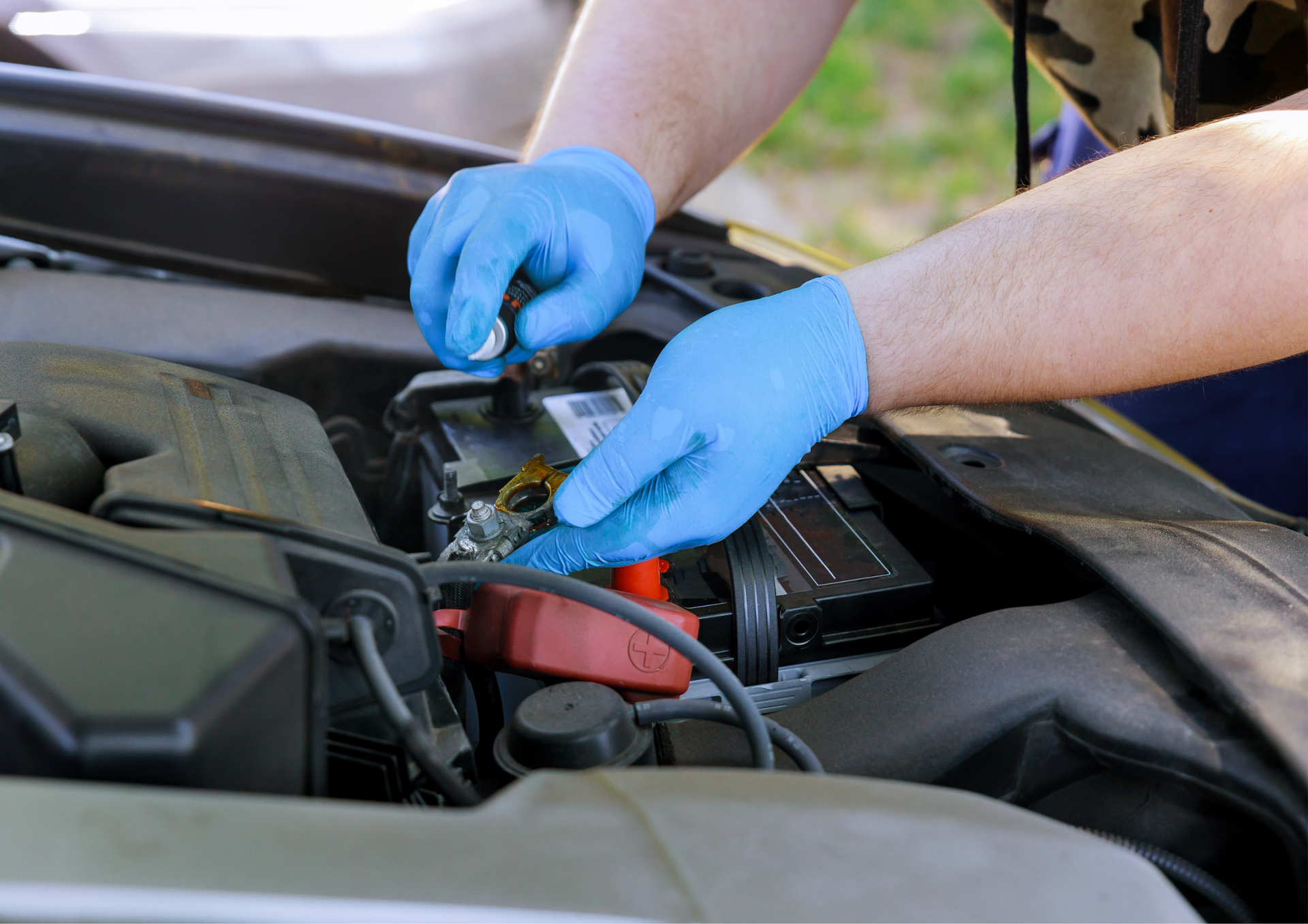
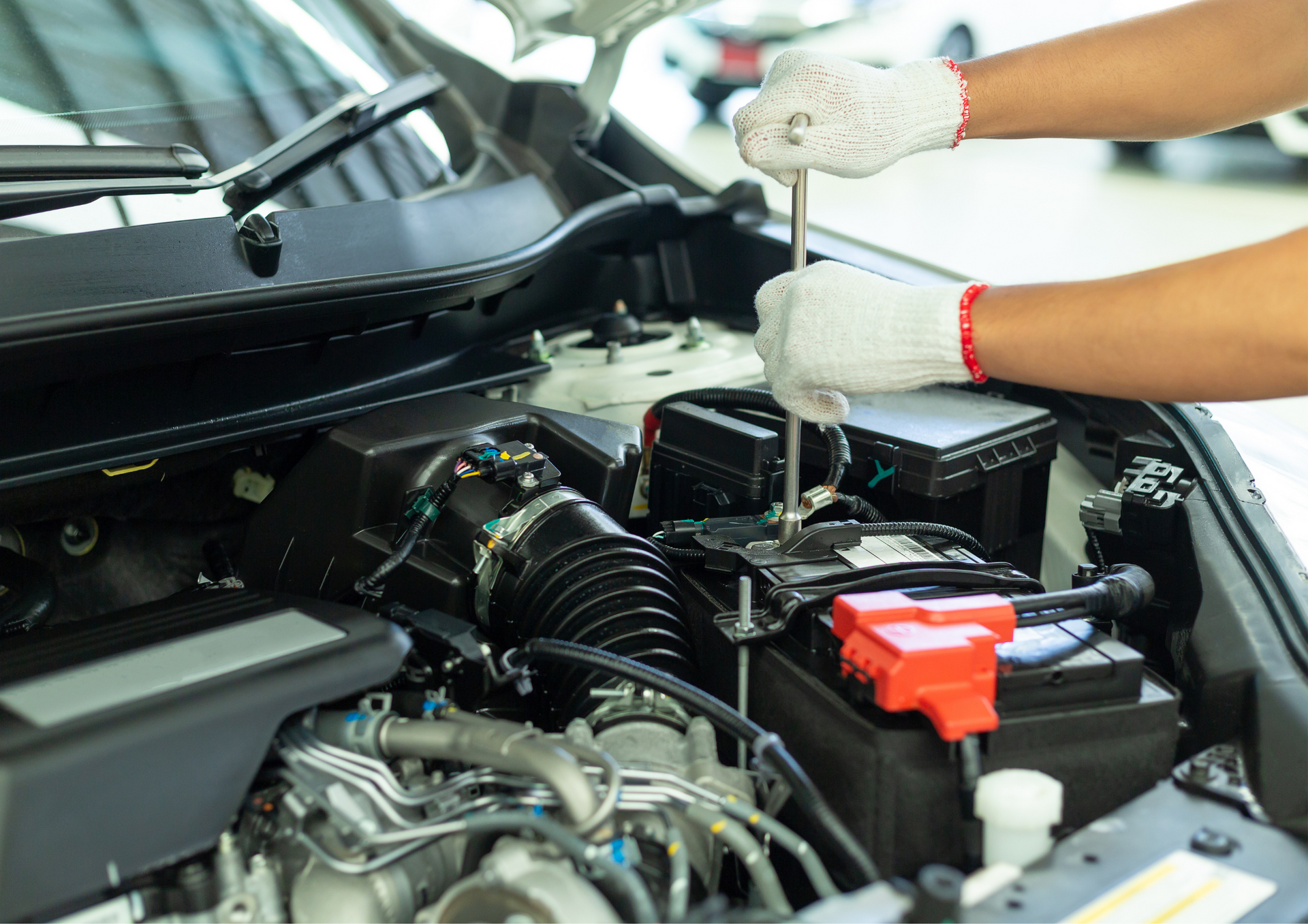
- Flat or weakened batteries: Battery testing can determine whether starting difficulties result from insufficient charge, battery deterioration or another electrical problem. Replacement may be possible when the correct battery is available.
- Starter motor problems: Clicking noises, intermittent starting or complete failure to crank may indicate starter motor faults. Electrical checks help establish whether the problem involves the starter motor, wiring or power supply.
- Alternator and charging faults: A battery warning light or repeated battery discharge may suggest that the charging system is not operating correctly. Testing can help identify the source of the problem.
- Ignition-related difficulties: Faulty ignition coils, worn spark plugs and certain sensor problems can cause misfiring, poor starting or uneven engine performance. Suitable components may be replaced on-site.
- Cooling system leaks: Damaged hoses, loose connections and some accessible cooling components can be inspected and repaired where conditions allow. Serious overheating problems require careful assessment before the vehicle is driven again.
- Minor electrical faults: Faulty connections, damaged fuses and certain wiring issues may be diagnosed without requiring workshop facilities.
- Brake-related concerns: Some brake inspections and component replacements can be completed at the vehicle's location, depending on the available working space and the extent of the repair.
- Diagnostic warning lights: Electronic diagnostic equipment can retrieve stored fault codes and help technicians investigate engine management and other system concerns.
For example, replacing an accessible battery may be straightforward, while repairing a deeply positioned starter motor could require additional dismantling and specialist facilities.
Commercial vehicles may also have different requirements. Vans used for deliveries, trades and business operations can require heavier-duty components or more extensive inspection procedures.
Larger vehicles, including buses, may need specialist equipment and technicians familiar with their particular systems. An initial assessment can establish whether a suitable on-site solution is available.
The purpose of roadside or location-based diagnosis is not to guarantee that every problem can be repaired immediately. Instead, it provides a structured way to understand the fault and determine the safest, most practical course of action.
How On-Site Repairs Reduce Disruption and Improve Convenience
Unexpected breakdowns often create difficulties beyond the mechanical problem itself. Drivers may need to rearrange appointments, organise alternative transport or explain delays to employers and customers.
Traditional garage repairs remain essential for complex mechanical work, but transporting a vehicle to a workshop is not always necessary for simpler faults.
Professional mobile auto repair can help reduce disruption by allowing suitable inspections and repairs to take place at the vehicle's existing location.
This approach offers particular advantages for motorists whose vehicles are parked safely at home or work.
Reducing unnecessary vehicle movement
A vehicle experiencing starting difficulties, electrical problems or suspected mechanical damage may not be suitable for driving. On-site assessment allows the problem to be investigated before deciding whether the vehicle should be moved. This is particularly valuable when a driver is uncertain whether continuing a journey could make the fault worse.
Supporting everyday responsibilities
Many motorists have limited flexibility during working hours. Taking a vehicle to a garage may involve arranging time away from work, organising transport home and returning later to collect the vehicle.
Having a technician attend a suitable location can reduce some of these arrangements. For families managing school journeys, appointments and household responsibilities, this flexibility can make an unexpected breakdown easier to manage.
Helping businesses maintain operations
Company vehicles often perform essential functions. Delivery vans, maintenance vehicles and other commercial transport may be needed throughout the working day.
When a vehicle develops a fault, delays can affect customer appointments, scheduled deliveries and employee productivity. Location-based assistance allows businesses to investigate problems without automatically arranging transportation to a workshop.
Although repair times vary, early diagnosis can help managers understand whether a vehicle can return to service promptly or requires more extensive attention.
Providing clearer information before repairs
An unexpected breakdown can leave drivers uncertain about the seriousness of the problem. A professional assessment helps establish which systems require attention and whether replacement components are necessary. Clear explanations allow vehicle owners to understand the recommended work and consider the available options.
Making maintenance more accessible
The convenience of having mechanical support delivered to a suitable location can encourage drivers to address developing problems sooner.
Rather than postponing attention because visiting a garage is inconvenient, motorists may find it easier to arrange an inspection around existing commitments.
This can be particularly useful for drivers who rely heavily on their vehicles and cannot easily accommodate extended periods without transport.
In Southampton, where road travel supports commuting, tourism, commercial activity and everyday household needs, reducing unnecessary disruption is an important consideration.
Nevertheless, convenience should never take priority over safe working conditions. Technicians must assess the location before beginning repairs, and vehicles positioned on dangerous roads or in unsuitable spaces may require recovery to a safer area.
What Drivers Should Do When Their Vehicle Breaks Down
Knowing how to respond to a breakdown can help protect vehicle occupants and prevent a mechanical problem from becoming more serious. The correct response depends on the vehicle's location, traffic conditions and symptoms. Safety should always come before attempts to diagnose or repair the problem.
Drivers can follow several practical steps when unexpected difficulties occur:
- Move to a safe location where possible: If the vehicle can still be controlled safely, stop somewhere away from moving traffic. Avoid continuing to drive when serious mechanical damage is suspected.
- Use warning signals appropriately: Activate hazard warning lights when necessary to alert other road users. Follow applicable road safety guidance for the location.
- Assess immediate risks: Smoke, fuel leaks, overheating and unusual burning smells may indicate hazards that require additional precautions.
- Avoid repeated starting attempts: Continuously trying to start a vehicle with an electrical or mechanical fault can place additional strain on components.
- Record the symptoms: Note unusual noises, warning lights, loss of power or changes in vehicle behaviour. These details can assist diagnosis.
- Identify the vehicle accurately: Having the registration, make, model, fuel type and approximate location available can help the technician prepare for the appointment.
- Explain any previous problems: Recent battery replacements, repeated warning lights or earlier starting difficulties may provide useful diagnostic information.
- Arrange suitable professional assistance: Choose a service appropriate for the vehicle type and suspected fault. Larger commercial vehicles may require specialist support.
- Confirm whether the location is suitable: A driveway or accessible workplace parking area may allow repairs, while busy roads and restricted parking spaces may not.
- Follow the technician's advice: If the vehicle requires workshop attention, avoid driving it until its condition has been assessed as suitable.
Drivers arranging a mobile car service following a breakdown should explain whether the vehicle is completely immobilised or still capable of limited movement. This helps distinguish an urgent fault investigation from routine maintenance. It is also useful to establish whether the problem developed suddenly or gradually.
For example, a vehicle that has struggled to start for several mornings may have a different underlying issue from one that stopped unexpectedly during a journey.
Similarly, a dashboard warning light appearing alongside a noticeable loss of engine power may require a different diagnostic approach from an isolated warning without other symptoms.
Motorists should avoid relying solely on internet searches to identify faults. Different mechanical problems can produce similar symptoms, and replacing components without proper testing may lead to unnecessary expenditure. Professional diagnosis helps establish a clearer understanding of the vehicle's condition.
For breakdowns on motorways or other high-speed roads, drivers should follow current official safety guidance and arrange appropriate recovery assistance rather than attempting roadside mechanical work in an unsafe position. The main priority is ensuring that occupants and other road users remain safe while suitable assistance is organised.
Choosing Suitable Mechanical Support After a Breakdown
Selecting appropriate mechanical assistance involves more than finding someone who can attend quickly. The technician must have suitable experience, access to relevant equipment and an understanding of the vehicle's mechanical requirements.
Different vehicles present different challenges. A small petrol hatchback, diesel van, hybrid vehicle and commercial bus may require different diagnostic procedures and specialist knowledge.
A professional mobile car mechanic should establish basic information about the vehicle and the reported symptoms before confirming whether the work is suitable for an on-site appointment.
Consider the type of breakdown
Some problems are relatively straightforward to investigate, while others involve multiple systems. Battery faults, accessible ignition components and certain cooling system issues may be suitable for location-based repairs.
However, major engine damage, extensive transmission faults and repairs requiring vehicle lifts or specialist workshop equipment are generally better handled in appropriate facilities. The nature of the fault should guide the decision.
Ask about diagnostic procedures
Accurate diagnosis is an important part of effective vehicle repair. Although fault code readers provide useful information, stored codes do not always identify the exact component responsible for a problem.
Additional electrical measurements, visual inspections and mechanical tests may be needed to confirm the underlying cause. A careful diagnostic process can reduce unnecessary component replacement and improve the likelihood of resolving the original fault.
Understand the repair requirements
Before work begins, drivers should seek a clear explanation of the proposed inspection or repair. This may include the likely labour involved, the availability of replacement parts and whether additional work could become necessary.
Some faults cannot be fully understood until preliminary testing has been completed. Realistic communication helps vehicle owners make informed decisions without assuming that every problem has an immediate solution.
Check access and working conditions
Safe access is essential for mechanical work. A vehicle parked on a level driveway with sufficient surrounding space may be suitable for several types of repair.
By contrast, a narrow roadside, poorly ventilated enclosed area or busy public parking location may restrict what can safely be undertaken. Weather conditions, lighting and access to particular vehicle components can also affect the feasibility of repairs.
Consider ongoing vehicle maintenance
Once the immediate breakdown has been resolved, it is worth reviewing the vehicle's general maintenance requirements.
A failed component may sometimes be associated with other developing problems.
For example, repeated battery discharge could indicate an underlying charging fault rather than simply an ageing battery.
Likewise, recurring overheating may require investigation beyond replacing a visibly damaged hose. Addressing the cause of a problem rather than only its symptoms helps support dependable vehicle operation.
Plan for future breakdown prevention
Routine servicing, regular fluid checks and attention to unusual vehicle behaviour can reduce the likelihood of avoidable mechanical failures.
Drivers should follow manufacturer recommendations for maintenance intervals and replacement components.
Businesses operating several vehicles may benefit from maintaining individual service records and monitoring recurring faults. This allows maintenance to be planned more effectively and helps identify vehicles requiring closer attention.
For Southampton motorists, choosing suitable support means balancing convenience with careful diagnosis, realistic repair expectations and safe working practices.
Mobile Mechanic Southampton provides practical vehicle diagnostics and on-site mechanical assistance for motorists throughout Southampton and the surrounding area.
Our approach to mobile auto repair focuses on understanding the symptoms of a breakdown, carrying out appropriate inspections and identifying suitable solutions based on the vehicle's condition.
We recognise that unexpected mechanical problems can affect commuting, family responsibilities and business operations. Whether a car develops starting difficulties at home or a van experiences an electrical fault while parked at work, our aim is to help customers understand the next steps. We place importance on clear communication, realistic expectations and careful assessment rather than recommending unnecessary work.
Our services are intended to provide a convenient option for suitable mechanical problems while recognising when specialist workshop facilities or additional assistance may be required.
By considering each vehicle's individual circumstances, we aim to help drivers make informed decisions and manage unexpected breakdowns with greater confidence.
Check out our latest X update exploring why
mobile auto repair is useful during unexpected car breakdowns and how it helps motorists get back on the road!
You might also like