Mobile Car Mechanic Services for Common Vehicle Repair Problems
Vehicle problems can develop at almost any time, from a battery that suddenly struggles to start the engine to brakes that begin making unusual noises. Some faults provide plenty of warning, while others can leave a vehicle unusable with very little notice. Understanding the most common problems and responding to them promptly can help motorists maintain dependable performance and avoid more extensive mechanical damage.
Using a mobile car mechanic can make dealing with everyday faults considerably more convenient. Instead of arranging a garage appointment and transporting the vehicle there, many inspections, diagnostic checks, servicing tasks and repairs can be completed at the vehicle's location. This can be particularly useful for drivers in Southampton who rely on their cars or vans for commuting, family responsibilities, business travel and other daily journeys.
Although the examples in this guide consider the needs of motorists in Southampton, the same principles apply throughout the UK. Knowing which warning signs require attention and understanding which repairs can be completed on-site can make vehicle maintenance easier to organise.
Common Engine and Starting Problems
Starting difficulties are among the most familiar problems motorists encounter. A vehicle that normally starts immediately may suddenly crank slowly, produce a clicking noise or fail to respond when the ignition is turned. These symptoms can have several causes, including a weak battery, worn starter motor, charging fault or poor electrical connection.
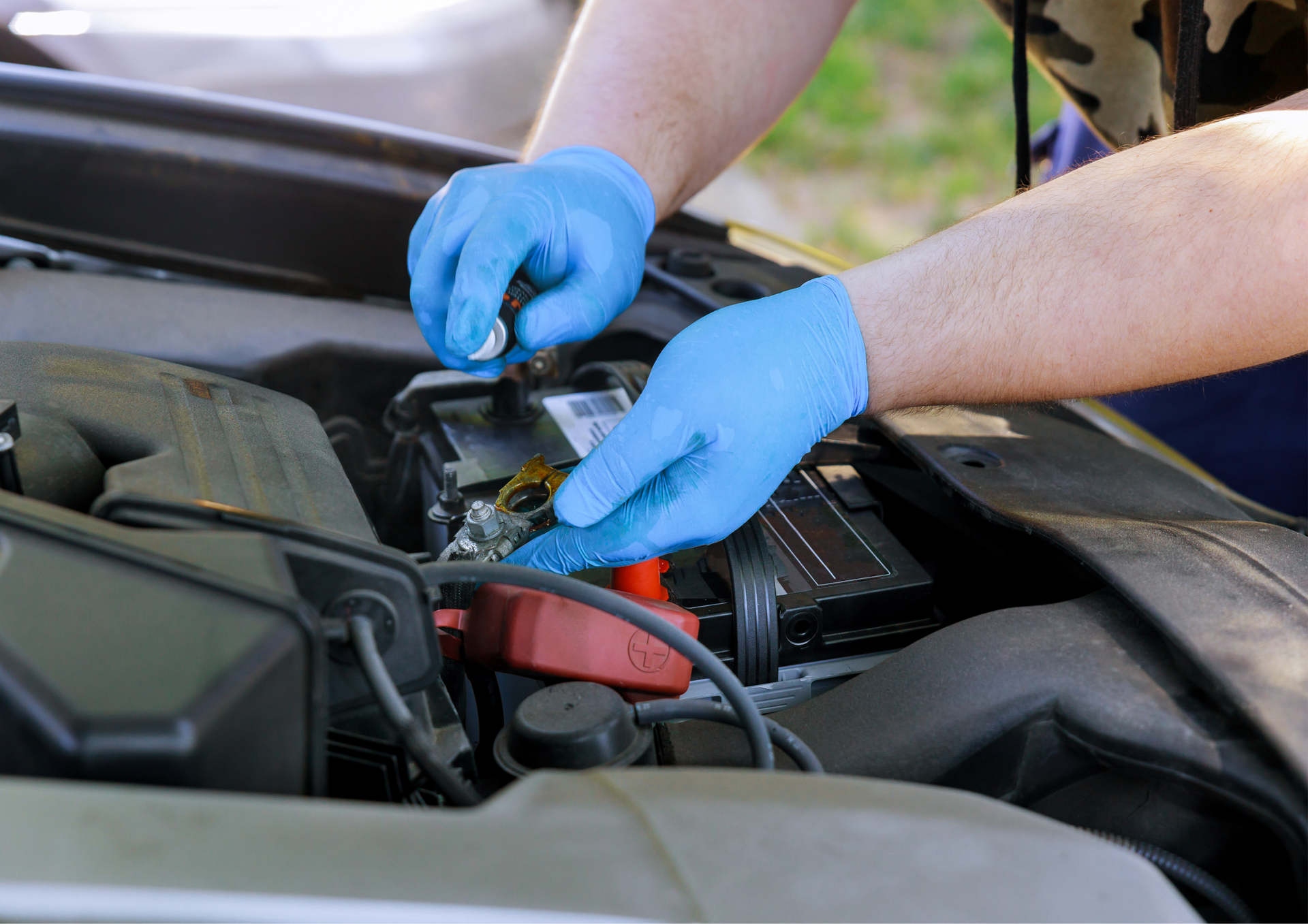
Battery condition is often one of the first areas to investigate. Batteries gradually lose their ability to retain charge, and the problem can become more noticeable during colder weather or after a vehicle has remained unused for an extended period. Leaving lights or electrical accessories operating can also drain available power.
The starter motor is another possible source of difficulty. This component is responsible for turning the engine during the starting process, and wear can eventually prevent it from operating consistently. Clicking noises or intermittent starting may indicate that further inspection is required.
Alternator problems can produce similar symptoms because the alternator replenishes battery charge while the engine is running. If its output becomes insufficient, a battery may repeatedly lose power even when the battery itself remains serviceable. Dashboard battery lights, dimming headlights and unreliable electrical equipment can all indicate a charging system concern.
Drivers searching for a mobile mechanic near me may find on-site diagnostics particularly useful when a vehicle will not start and cannot conveniently be taken to a workshop. Battery voltage, alternator output and starting components can often be tested where the vehicle is parked, allowing the cause to be identified before unnecessary parts are replaced.
Engine performance problems can also appear through rough idling, hesitation, reduced acceleration or unusual noises. Modern vehicles use numerous sensors and electronic control systems, so diagnostic equipment may be needed to establish which component is responsible. Identifying the underlying fault rather than relying solely on the symptom is an important part of effective vehicle repair.
Warning Signs That Should Not Be Ignored
Vehicles often provide early indications that something is beginning to deteriorate. Recognising these signs gives drivers an opportunity to arrange an inspection before the problem becomes more disruptive.
- Dashboard warning lights: Engine management, battery, temperature and braking warnings can indicate faults that require further investigation. A diagnostic scan can help establish why the warning has appeared.
- Unusual noises: Grinding, knocking, squealing or rattling sounds may be associated with brakes, suspension, belts or other mechanical components. New or worsening noises should be investigated rather than assumed to be normal.
- Fluid beneath the vehicle: Oil, coolant and other automotive fluids can escape when seals, hoses or components deteriorate. The colour, location and quantity of fluid can provide useful clues about its source.
- Changes in steering or handling: Pulling to one side, excessive vibration or unusual movement over uneven surfaces can indicate tyre, steering or suspension concerns.
- Reduced braking performance: A softer pedal, increased stopping distance, vibration or unusual braking noises should receive prompt attention because reliable braking is fundamental to safe vehicle operation.
- Rising engine temperature: An engine running hotter than normal may have a coolant leak, thermostat issue, radiator problem or another cooling system fault. Continuing to drive an overheating vehicle can cause substantial damage.
A professional mobile mechanic can investigate many of these warning signs at a home, workplace or other suitable location. Early assessment helps determine whether a straightforward repair is required or whether the vehicle needs more extensive attention.
Drivers should also pay attention to gradual changes rather than waiting for a complete failure. A noise that becomes slightly louder each week or an engine that takes progressively longer to start can provide valuable warning that a component is deteriorating. Acting on these changes can make repairs easier to plan around everyday commitments.
Brake, Suspension and Steering Repairs
Brakes, suspension and steering components experience continual mechanical stress whenever a vehicle is used. Their condition directly affects stopping, handling and ride quality, making routine inspection an important part of vehicle maintenance.
Brake pads gradually become thinner as friction material wears away. Discs also deteriorate and may develop excessive wear, scoring or uneven surfaces. Squealing can sometimes indicate that pads are approaching the end of their usable life, while grinding may suggest more advanced wear. Vibration under braking can also point towards problems with discs or related components.
Suspension systems contain springs, dampers, bushes and joints designed to keep tyres in consistent contact with the road while absorbing uneven surfaces. Worn components can cause knocking noises, excessive bouncing or less predictable handling. Vehicles frequently driven over damaged road surfaces or carrying heavier loads may place additional demands on these parts.
Steering problems should receive similar attention. Unusual play, vibration or difficulty maintaining a straight path may have several possible causes, ranging from tyre condition and wheel alignment to worn steering or suspension components.
Many routine mechanical jobs are suitable for mobile car repair, provided the vehicle is parked somewhere safe with sufficient working space. On-site inspection can establish which parts are worn and whether replacement can be completed at the location. This can be convenient for motorists who would otherwise need to arrange time away from work or organise alternative transport while their vehicle is at a garage.
Southampton combines busy urban roads with routes serving residential neighbourhoods, commercial areas and surrounding communities. Vehicles used regularly in these different conditions can accumulate wear at varying rates, making maintenance based on actual component condition particularly valuable rather than relying only on mileage.
Routine Maintenance That Helps Prevent Larger Faults
Regular maintenance cannot prevent every unexpected mechanical problem, but it can significantly improve the likelihood that developing issues are identified before they cause a breakdown. A planned approach is particularly valuable for vehicles covering substantial annual mileage.
Important maintenance areas include:
- Engine oil and filters: Correct oil protects moving engine components by reducing friction and helping control heat. Oil and filters should be replaced at appropriate intervals according to vehicle requirements.
- Coolant levels and hoses: Cooling systems need sufficient coolant and secure hoses to regulate engine temperature. Visible leaks, damaged hoses or repeated coolant loss should be investigated.
- Battery and charging checks: Testing battery condition and alternator output can identify weakening electrical performance before the vehicle becomes difficult to start.
- Brake inspections: Checking pad thickness, disc condition and related components helps drivers plan replacement before braking performance deteriorates.
- Tyre condition: Correct pressure, sufficient tread and even wear contribute to predictable handling and braking. Uneven wear can also provide clues about alignment or suspension problems.
- Lights and electrical equipment: Headlights, indicators, brake lights and other essential electrical systems should be checked regularly.
- Belts and visible engine components: Cracking, fraying or other deterioration can indicate that replacement should be considered before failure occurs.
Routine mobile auto repair and maintenance can be arranged around the location and availability of the vehicle, making preventative care easier for busy drivers. Rather than waiting until something fails, scheduled checks allow maintenance to become part of normal vehicle ownership.
Maintenance intervals can vary considerably between vehicles. Age, mileage, engine type, journey patterns and manufacturer recommendations all influence how frequently particular work should be performed. A car completing mainly short urban journeys may experience different stresses from a van regularly travelling longer motorway distances.
Keeping basic maintenance records can also be helpful. Recording when oil, filters, brakes, batteries and other components were replaced gives owners a clearer picture of upcoming requirements. This can be especially useful for households or businesses responsible for several vehicles.
Deciding When On-Site Repair Is Suitable
A considerable range of vehicle faults can be investigated and repaired away from a traditional workshop. A mobile car mechanic may be able to carry out diagnostic scans, battery replacements, starter motor work, alternator repairs, brake maintenance and routine servicing directly at the vehicle’s location.
The working environment matters, however. The vehicle should ideally be positioned on firm, level ground with sufficient space around it. Safe access is particularly important where lifting equipment or wheel removal is required. Busy roads, restricted parking spaces and unsafe surfaces may limit what can reasonably be completed at the location.
Weather conditions can also influence certain types of work. Although many repairs can be performed outdoors, severe conditions may make some tasks impractical. An initial discussion about the vehicle, fault and location can help determine whether attendance is appropriate.
There are also mechanical jobs that are better suited to workshop facilities. Major engine or gearbox work, extensive structural repairs and procedures requiring large specialist equipment may need a controlled environment. An on-site assessment can still be useful for identifying the problem and determining what should happen next.
Motorists should provide as much information as possible when arranging assistance. Describing warning lights, noises, recent repairs, starting behaviour and when the problem first appeared can help narrow down possible causes. Vehicle registration details can also assist with identifying suitable replacement parts where required.
For drivers in Southampton, location-based mechanical assistance can be particularly convenient when a vehicle is parked at home or work and cannot be driven confidently. The objective is not simply to avoid a garage, but to choose the repair setting that is appropriate for the particular fault.
Vehicle faults range from straightforward battery and electrical problems to braking, suspension, cooling and engine concerns. Paying attention to warning signs and arranging timely assessment can prevent relatively minor wear from becoming a more disruptive problem.
A
mobile car mechanic offers drivers a practical option for diagnostics, maintenance and many common repairs at the vehicle's location. This can reduce unnecessary journeys and make vehicle care easier to fit around work, family and everyday responsibilities. For motorists in Southampton and elsewhere in the UK, combining preventative maintenance with prompt attention to developing faults can support safer, more dependable vehicle use.
Mobile Mechanic Southampton provides practical on-site support for motorists who need help with common mechanical faults, routine maintenance and vehicle diagnostics. We understand that taking a faulty vehicle to a garage is not always convenient, particularly when it will not start or when driving could make an existing problem worse.
Our approach focuses on identifying the cause of a problem before recommending appropriate work. Whether a vehicle is experiencing starting difficulties, unusual noises, braking concerns, electrical faults or general performance issues, careful assessment helps establish what attention is required.
By bringing mechanical assistance to suitable locations throughout Southampton, we aim to make vehicle maintenance easier to organise while keeping communication straightforward. From preventative checks to everyday repairs, our focus is on helping drivers maintain reliable vehicles with as little disruption to their schedules as possible.
Check out our latest X update on how a
mobile car mechanic can help diagnose and repair common vehicle problems!
You might also like