Mobile Mechanic Checks Before Long Distance Travel for Safety
Preparing for a long journey involves more than simply filling the fuel tank and planning a route. Whether travelling for work, visiting family, or heading away on holiday, ensuring your vehicle is in good mechanical condition can reduce the likelihood of unexpected problems during the journey. Small faults that seem insignificant during everyday driving can become much more noticeable after several hours on the road.
A mobile mechanic offers a convenient way to have your vehicle inspected before departure without needing to visit a garage. By carrying out important checks at your home or workplace, potential issues can be identified and addressed before they develop into larger problems. For motorists, this approach provides a practical way to prepare for longer journeys while fitting around busy schedules.
Why Pre-Travel Vehicle Inspections Matter
Long-distance driving places greater demands on every part of a vehicle. Engines operate for extended periods, braking systems experience repeated use, tyres generate additional heat, and suspension components work continuously across different road surfaces. Even a vehicle that performs well during short local journeys may reveal hidden issues when driven for several hours.
Routine inspections before travelling help identify worn components before they affect reliability. A professional assessment provides reassurance that essential systems are operating correctly while allowing maintenance to be completed before departure rather than dealing with inconvenient breakdowns away from home.
With the help of a mobile mechanic, drivers can prepare their vehicle before travelling, helping to reduce unnecessary delays, identify potential issues early, and make longer journeys safer and more comfortable for everyone on board.
Mechanical Components Commonly Checked Before Travelling
Before setting off on a long-distance journey, a mobile mechanic can carry out a thorough inspection to ensure every major vehicle system is working as intended. Checking these essential components helps identify potential issues early, reducing the risk of unexpected problems and contributing to a safer, more reliable journey.
Engine and Cooling System
- Check engine oil level and condition.
- Inspect coolant levels and the cooling system for efficient temperature control.
- Look for signs of leaks or other issues that could affect engine performance.
Braking System
- Inspect brake pads, discs, and other braking components.
- Check brake fluid levels and overall braking performance.
- Ensure the braking system is suitable for motorway, rural, and urban driving.
Steering and Suspension
- Examine steering components for wear or excessive play.
- Inspect suspension parts for damage or deterioration.
- Help maintain stable handling and a comfortable ride during long journeys.
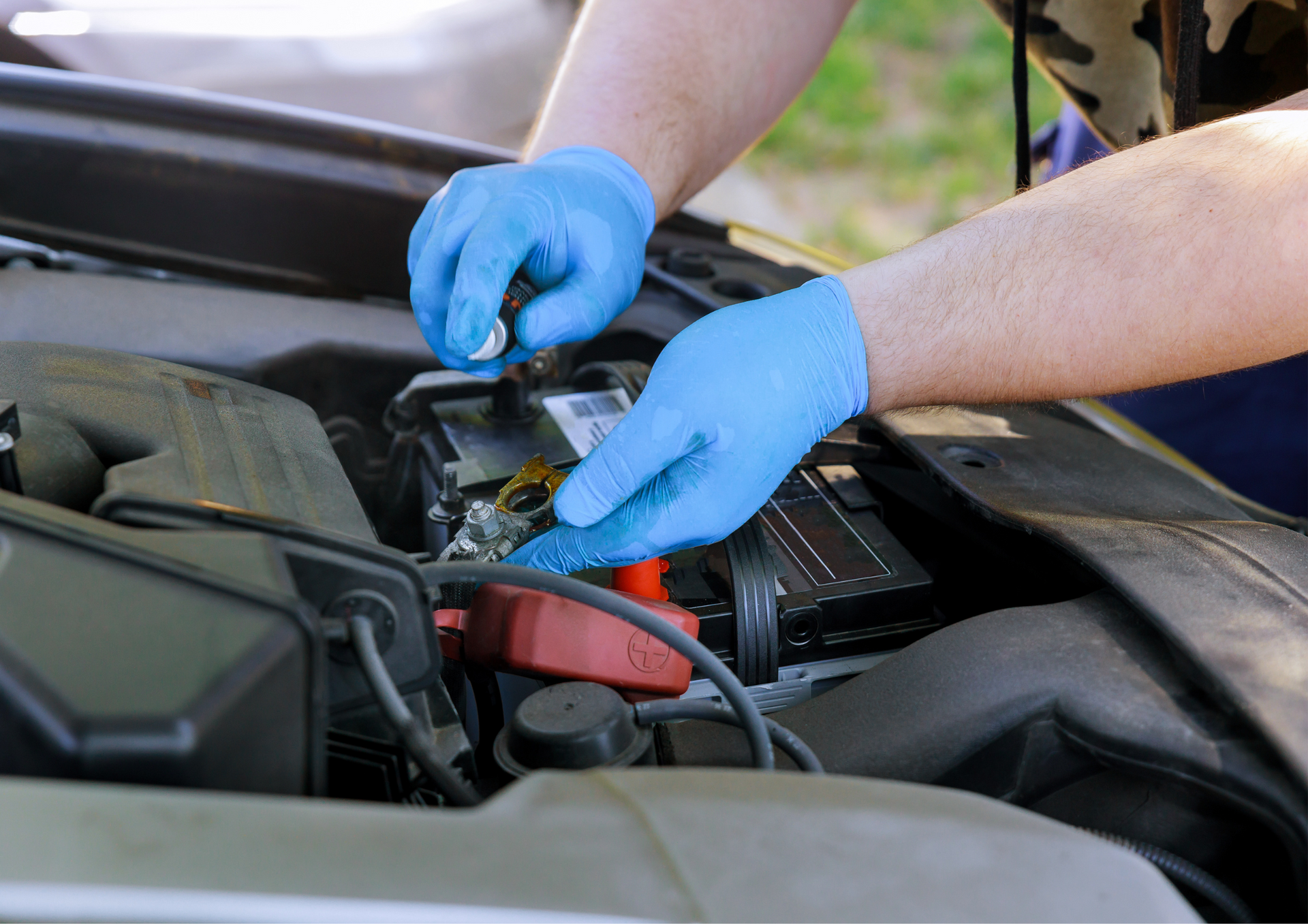
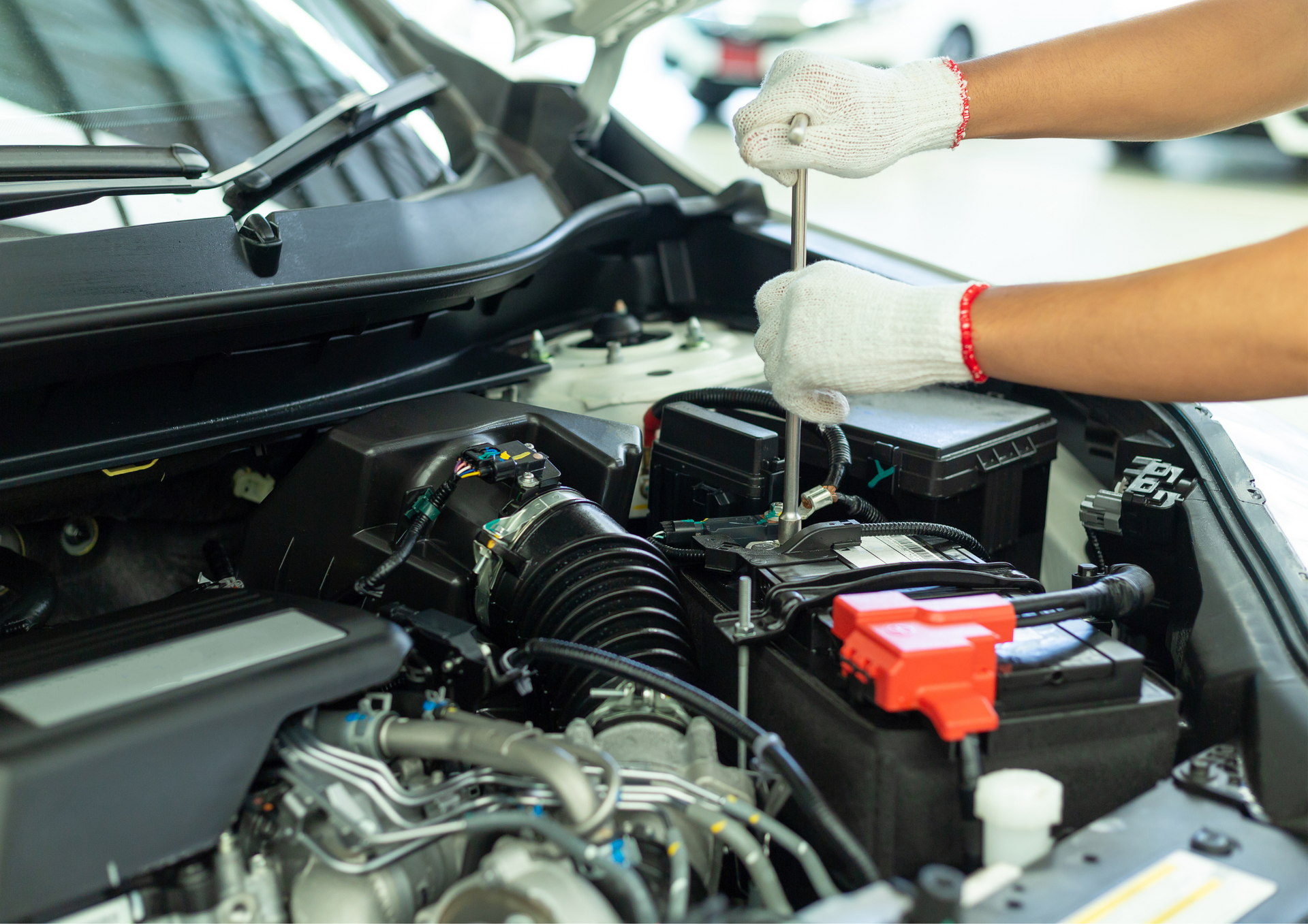
Battery and Electrical System
- Assess battery condition and charging performance.
- Check terminals for corrosion or loose connections.
- Identify signs of a weakening battery before it causes starting problems.
Essential Safety Components
- Inspect belts and hoses for wear, cracks, or deterioration.
- Test exterior and interior lights to ensure correct operation.
- Check windscreen wipers for effective visibility in poor weather.
- Verify that important fluid reservoirs are filled to the recommended levels.
- Identify minor concerns early so they can be resolved before interrupting travel plans.
Tyres, Brakes and Road Safety
Tyres remain one of the most important safety features on any vehicle. They provide grip during acceleration, braking, and cornering while supporting the full weight of the vehicle throughout the journey. Tyre pressures should be checked against the manufacturer's recommendations, particularly if additional passengers or luggage will be carried.
Tread depth is carefully examined to ensure tyres continue providing effective grip in both dry and wet conditions. Uneven wear patterns may also indicate alignment or suspension concerns that deserve further investigation before travelling.
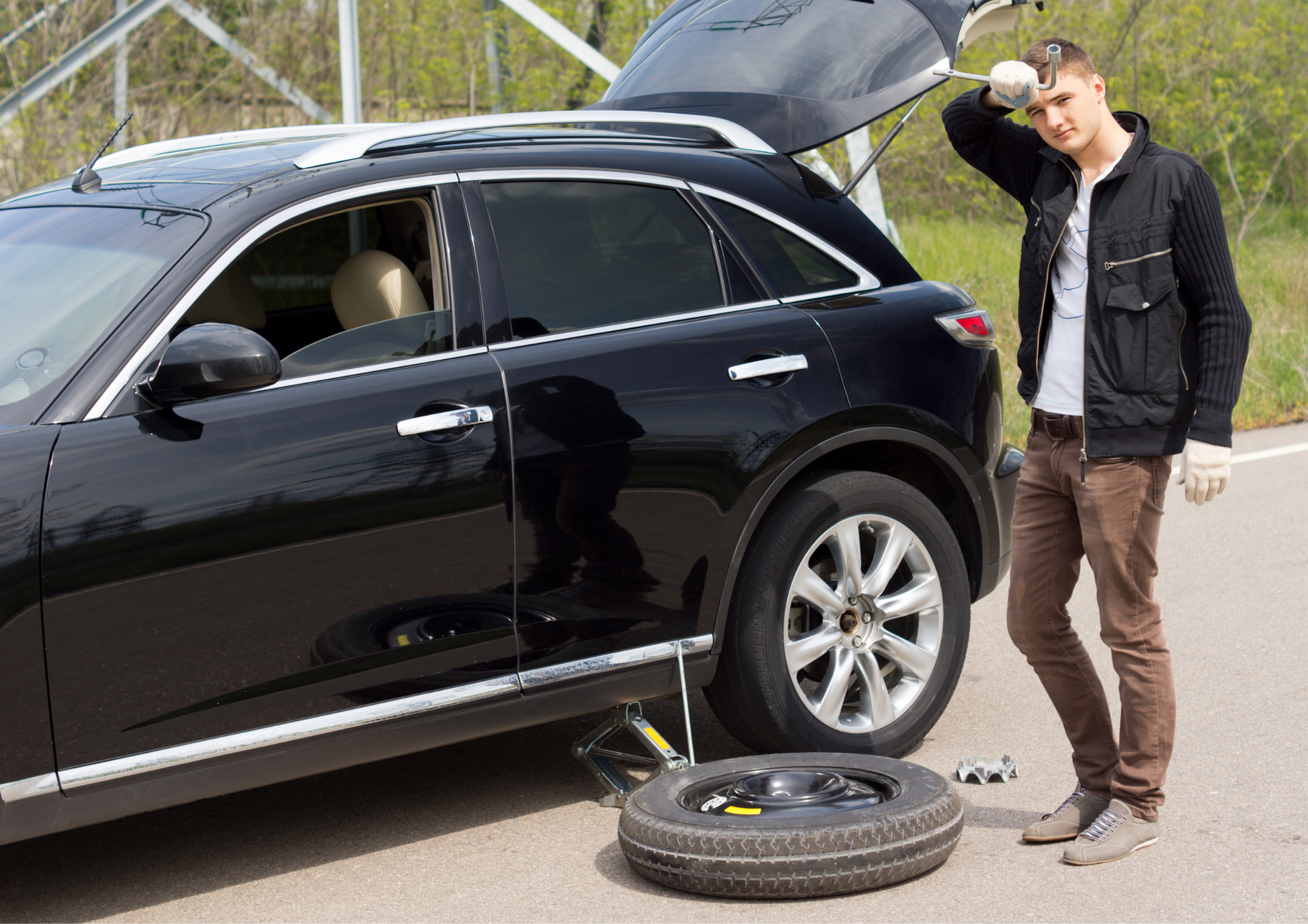
Many motorists searching for mobile tire repair near me do so after discovering damage shortly before setting off. Having tyres inspected beforehand reduces the chances of encountering preventable problems once the journey has begun.
Brake inspections are equally important. Pads, discs, brake fluid, and general braking performance should all be assessed to ensure the vehicle responds consistently during emergency stops and everyday driving.
Identifying Problems Before They Become Breakdowns
Regular inspections before a long journey help identify developing faults that may not be obvious during everyday driving. Modern diagnostic equipment enables mechanics to assess the condition of key vehicle systems, allowing potential issues to be addressed before they become more serious. Below are some of the main areas that are typically assessed.
Electronic System Checks
- Scan onboard systems for stored fault codes.
- Check engine management and other electronic control systems.
- Investigate illuminated warning lights before travel.
Engine Performance Assessment
- Evaluate engine performance and identify hidden faults.
- Detect issues that may affect fuel efficiency or drivability.
- Assess components that could lead to reduced performance during extended journeys.
Fault Diagnosis
- Use professional diagnostic equipment to pinpoint problems accurately.
- Identify faults even when there are no noticeable driving symptoms.
- Recommend appropriate repairs before setting off.
On-Site Repairs
- Where suitable, mobile auto repair allows many mechanical and electrical faults to be resolved at your home or workplace.
- Reduces the inconvenience of arranging transport to a workshop.
- Helps ensure the vehicle is prepared for reliable long-distance travel.
Benefits of Early Maintenance
- Minimises the risk of unexpected mechanical problems during the journey.
- Improves vehicle reliability and overall driving confidence.
- Allows drivers to begin their trip knowing important systems have been professionally checked.
Preparing Your Vehicle for a Comfortable Journey
Many drivers choose to have a thorough mechanical inspection before setting off on a long journey. Alongside checking the engine and other essential components, it is important to ensure the vehicle is suitable for carrying passengers, luggage, or work equipment over extended distances.Fluid levels should be within the recommended range, lights should function correctly, mirrors should be properly adjusted, and windscreen washers should be topped up before departure. Air conditioning and heating systems are also worth checking, particularly when travelling during periods of very hot or cold weather.
If the inspection identifies worn braking components, arranging a mobile brake repair before travelling is a sensible step. Ensuring the braking system is in good working order improves safety, provides reliable stopping performance, and helps prevent avoidable issues during longer journeys.
Many motorists also book a mobile car service before setting off to ensure routine maintenance is fully up to date. Completing scheduled servicing before leaving Southampton helps improve reliability, supports vehicle performance, and allows drivers to begin their journey with greater confidence.
At
Mobile Mechanic Southampton, we provide convenient on-site vehicle inspections and repairs designed around your schedule. We work carefully to identify developing faults, carry out routine maintenance, and help keep your vehicle prepared for everyday driving as well as longer journeys. Our commitment to reliable workmanship, clear communication, and professional service allows drivers throughout Southampton to receive practical mechanical support at their home, workplace, or another convenient location, helping them keep their vehicles in excellent working condition.
Update on X: How a
mobile mechanic helps prepare your vehicle for long journeys.
You might also like